
Blogs
How to Stop Hair Fall in Winter
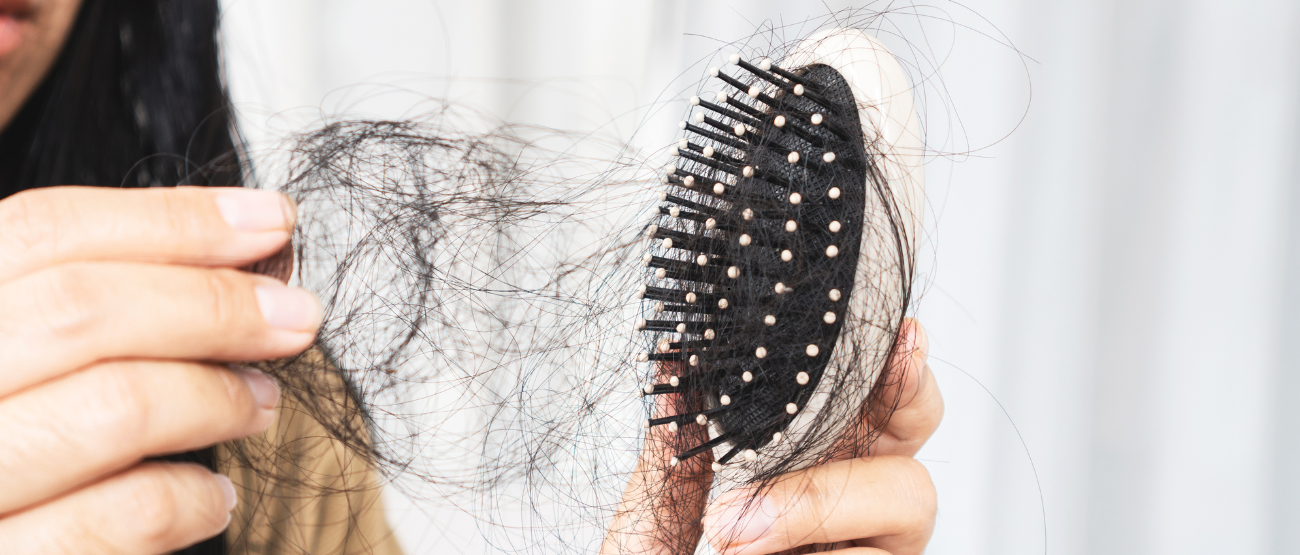
Winter may bring cozy hoodies, hot chocolate, and perfect selfie weather, but it also brings a struggle most young people know too well: hair fall in winter. The cold air outside and the dry indoor heat leave your scalp dehydrated, causing breakage, dullness, dandruff, and seasonal hair shedding. If you’ve been noticing extra strands on your pillow or in your shower drain, you’re not alone.
At Purple Aesthetic Center, many young clients experience increased hair fall in winter due to seasonal changes and lifestyle habits. The good news is that with the right routine and care, this issue can be managed effectively.
Let’s understand why hair fall increases during winter and what you can do to control it.
Why Does Hair Fall Increase During Winter?
Understanding the root cause is the first step in managing hair fall in winter. During colder months, the air lacks humidity, which dries out your scalp and weakens hair roots. This leads to increased breakage, dandruff, and reduced hair strength.
Many people also confuse seasonal shedding with long-term concerns, so understanding the difference between hair fall vs hair thinning can help you identify whether it’s temporary or requires professional attention.
Common reasons include:
- Dry, flaky scalp
- Reduced natural oil production
- Static and frizz
- Hot showers stripping moisture
- Poor diet and hydration
These factors combine to worsen hair fall in winter, especially among young individuals with busy routines and irregular habits.
1. Moisturize Your Scalp
One of the most effective ways to reduce hair fall in winter is by keeping your scalp hydrated. A dry scalp leads to itchiness, dandruff, and weak roots.
Warm oil massages using coconut, almond, or castor oil help restore moisture and improve blood circulation. Regular scalp care can significantly improve hair texture and reduce seasonal shedding. Consulting a hair specialist can also help identify the exact needs of your scalp.
2. Use a Mild Shampoo and Conditioner
Choosing the right hair products plays a crucial role in managing hair fall in winter. Harsh shampoos with sulfates strip away natural oils, making hair more prone to damage.
Switch to:
- Sulfate-free shampoos
- Hydrating conditioners
- Leave-in serums
This helps maintain scalp balance and reduces breakage caused by dryness.
3. Avoid Hot Water
Hot showers may feel relaxing, but they are one of the major causes of hair fall in winter. Hot water removes essential oils from your scalp, leaving it dry and irritated.
Using lukewarm water helps retain moisture and keeps your hair healthier throughout the season.
4. Maintain a Nutrient-Rich Diet
Your diet directly impacts your hair health. A lack of essential nutrients can increase hair fall in winter and slow down hair regrowth.
Include foods like:
- Spinach and leafy greens
- Eggs
- Nuts and seeds
- Fish
- Berries
These foods provide vitamins and minerals that strengthen hair from within. Advanced options like gfc therapy for hair regrowth can further support hair density when combined with a healthy lifestyle.
5. Avoid Stepping Out with Wet Hair
Wet hair is more fragile and prone to breakage, especially in cold weather. Stepping out with damp hair can significantly increase hair fall in winter.
Make sure to dry your hair properly before leaving home to prevent unnecessary damage.
6. Treat Dandruff Early
Dandruff is one of the biggest contributors to hair fall in winter. A dry scalp leads to flaking, itching, and weak roots, which accelerates hair shedding.
If ignored, it can worsen over time. Early care and proper scalp treatment can prevent long-term damage. In more severe cases, a professional hair fall treatment can help restore scalp health effectively.
7. Choose Protective Hairstyles
Winter clothing like scarves, jackets, and wool caps can create friction, leading to breakage and increased hair fall in winter.
Opt for loose braids or buns to minimize damage and protect your hair from environmental stress.
8. Use Hair Masks Weekly
Hair masks are essential for restoring hydration and strengthening hair. Weekly treatments help repair damage caused by dryness and reduce hair fall in winter.
Natural ingredients like aloe vera, onion juice, and fenugreek nourish the scalp and improve hair texture.
9. Limit Heat Styling
Frequent use of styling tools like straighteners and curlers can worsen hair fall in winter. Heat strips away moisture, making hair brittle and prone to breakage.
Try to limit heat styling and use protective serums when necessary.
10. Seek Professional Help When Needed
If your hair fall doesn’t improve despite following a proper routine, it may require expert care. Persistent hair fall in winter could indicate deeper scalp or health issues.
At Purple Aesthetic Center, professionals offer personalized solutions based on your scalp condition. Treatments are designed to strengthen roots and improve overall hair health. A customized hair loss treatment can address underlying causes and provide long-term results.
Additional Tips to Control Hair Fall
To further reduce hair fall in winter, follow these simple tips:
- Stay hydrated throughout the day
- Avoid excessive chemical treatments
- Maintain a regular hair care routine
- Protect hair from cold winds
- Manage stress levels
Consistency is key when it comes to maintaining healthy hair.
Conclusion
While hair fall in winter is common, it doesn’t have to be permanent. With proper care, the right products, and a healthy lifestyle, you can control seasonal hair shedding and maintain strong, shiny hair.
At Purple Aesthetic Center, expert guidance and advanced treatments help you tackle hair concerns effectively. Whether it’s scalp care, nourishment, or targeted therapies, the right approach can make a noticeable difference.
If you’re experiencing persistent hair fall in winter, taking timely action can help you restore hair health and confidence.