
Blogs
Hair Fall vs Hair Thinning: What’s the Difference and When Treatment Is Needed
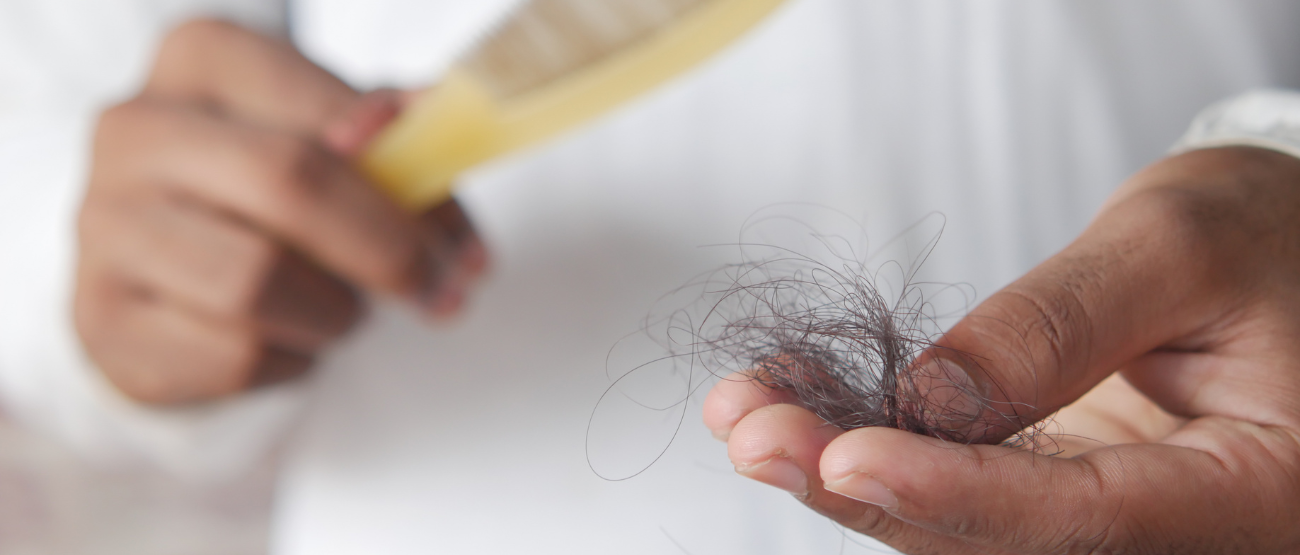
Hair concerns are among the most common aesthetic issues faced by both men and women today. Many people use the terms hair fall and hair thinning interchangeably, assuming they mean the same thing. However, understanding hair fall vs hair thinning is important because the causes, progression, and treatment approaches can differ significantly.
While some degree of hair shedding is a normal part of the hair growth cycle, excessive hair fall or visible thinning can signal underlying health, hormonal, or lifestyle issues. Identifying the different between hair fall and hair thinning early allows individuals to seek the right care and prevent further hair damage. In this blog, we’ll explain the key differences, causes, warning signs, and when professional treatment may be necessary, as recommended by experts at Purple Aesthetic Center.
Understanding the Hair Growth Cycle
To understand hair fall vs hair thinning, it helps to know how hair naturally grows. Each hair follicle follows a cycle consisting of three phases:
- Anagen (growth phase): Hair actively grows from the follicle.
- Catagen (transition phase): Growth slows and follicles shrink slightly.
- Telogen (resting phase): Hair eventually sheds to make way for new growth.
At any given time, some amount of hair shedding is normal. In fact, losing up to around 50–100 strands per day is considered part of the natural cycle. However, when shedding increases significantly or when hair density begins to reduce over time, it may indicate either excessive hair fall or hair thinning.
What is Hair Fall?
Hair fall refers to excessive shedding of hair strands from the scalp. It usually happens when more hairs than usual enter the resting (telogen) phase simultaneously. In most cases, hair fall is temporary and can occur due to triggers such as stress, illness, hormonal changes, or nutritional deficiencies.
Common Signs of Hair Fall
- Increased hair shedding during combing or washing
- Hair strands on pillows or clothing
- Noticeable hair in the shower drain
- Sudden increase in hair loss after illness or stress
When discussing hair fall vs hair thinning, hair fall typically refers to the quantity of hair shedding, not necessarily the density of hair on the scalp.
Common Causes of Hair Fall
Several lifestyle and health factors can trigger excessive hair shedding:
- Physical or emotional stress
- Nutritional deficiencies (iron, zinc, protein)
- Hormonal fluctuations (pregnancy, menopause)
- Sudden weight loss or crash dieting
- Certain medications
- Illness or high fever
In many cases, once the underlying cause is treated, hair growth resumes and shedding gradually decreases.
What is Hair Thinning?
Hair thinning refers to a gradual reduction in hair density or volume. Instead of sudden shedding, the hair strands may become finer and weaker over time. Unlike temporary hair fall, hair thinning is often progressive and may be linked to genetic or hormonal factors. The most common cause is androgenetic alopecia, also known as pattern hair loss. When comparing hair fall vs hair thinning, thinning affects the overall thickness and coverage of hair, while hair fall refers to the number of strands being shed.
Signs of Hair Thinning
- Reduced hair volume
- Wider parting in the hair
- Scalp becoming more visible
- Hair strands becoming finer
- Smaller ponytail thickness
Hair thinning usually develops gradually and may not be noticed immediately until the density visibly decreases.
Hair Fall vs Hair Thinning: Key Differences
Understanding the different between hair fall and hair thinning helps determine the right treatment approach. In the discussion of hair fall vs hair thinning, the key difference lies in whether the hair is simply shedding temporarily or whether the follicles are gradually producing thinner strands.
Factor | Hair Fall | Hair Thinning |
Nature | Sudden hair shedding | Gradual reduction in hair density |
Cause | Stress, illness, nutrition | Genetics, hormonal imbalance |
Hair Growth | Hair usually regrows | Growth becomes weaker or slower |
Pattern | Diffuse shedding | Visible scalp and reduced volume |
Progression | Temporary in many cases | Often progressive |
Why the Difference Matters
Many people assume they are experiencing hair fall when they are actually facing hair thinning. Misidentifying the issue can delay the right treatment. Recognizing the different between hair fall and hair thinning is important because:
- Hair fall may resolve naturally once triggers are corrected
- Hair thinning often requires targeted treatment
- Early intervention can slow progressive hair loss
- Accurate diagnosis improves treatment outcomes
Clinically, hair fall often occurs due to temporary disruptions in the hair cycle, whereas hair thinning involves gradual follicle miniaturisation.
Common Causes of Hair Thinning
Hair thinning rarely occurs due to a single factor. Instead, multiple elements often contribute to reduced hair density.
- Genetic Factors: Genetics play a significant role in pattern hair loss. Hair follicles gradually shrink under the influence of hormones like DHT, producing thinner hair strands over time.
- Hormonal Imbalances: Hormonal changes caused by conditions such as thyroid disorders or PCOS can affect the hair growth cycle.
- Ageing: As people age, hair follicles naturally produce thinner hair strands, leading to reduced density.
- Lifestyle Factors: Poor nutrition, chronic stress, smoking, and pollution may weaken hair follicles and contribute to hair thinning.
Understanding the different between hair fall and hair thinning is essential for identifying which of these factors may be affecting your hair.
Can Hair Fall Lead to Hair Thinning?
Yes, persistent hair fall can eventually lead to visible thinning if the lost hair is not replaced quickly enough.
For example:
- Prolonged nutritional deficiencies may weaken follicles
- Chronic stress can disrupt the hair cycle
- Hormonal imbalance can slow regrowth
Over time, this can transform temporary hair fall into long-term thinning. This is why understanding hair fall vs hair thinning early is essential for maintaining healthy hair density, as advised by specialists at Purple Aesthetic Center.
When Should You Seek Professional Treatment?
Occasional hair fall is normal. However, certain signs indicate that a professional evaluation may be necessary.
You should consider treatment if:
- Hair fall continues for several months
- Hair density is visibly decreasing
- The hair part becomes wider
- The scalp becomes increasingly visible
- Hair strands appear thinner than before
When these symptoms appear, it may indicate that the issue is not just temporary shedding but a deeper concern related to hair thinning. Early intervention is important because treating hair concerns at an early stage often produces better results. At specialized aesthetics centers like Purple Aesthetic, advanced hair treatments are designed to address both hair fall and hair thinning by targeting the underlying causes and stimulating healthier hair growth.
Treatments for Hair Fall and Hair Thinning
Depending on the diagnosis, treatment may focus on improving scalp health, stimulating hair follicles, and strengthening existing hair. Some commonly recommended clinical treatments include:
- PRP Hair Treatment: Platelet-rich plasma therapy uses growth factors from the patient’s own blood to stimulate hair follicles and encourage regrowth.
- GFC Hair Treatment: Growth Factor Concentrate therapy is an advanced procedure that helps nourish weakened hair follicles and promote thicker hair.
- Scalp Treatments: Medical scalp treatments can improve blood circulation and follicle health, helping reduce excessive hair fall.
These treatments are typically recommended after a professional diagnosis to ensure the most effective approach, especially when performed at Purple Aesthetic Center.
How to Prevent Hair Fall and Hair Thinning
While genetics cannot always be controlled, certain lifestyle habits can support healthier hair growth.
- Maintain a Balanced Diet: Hair requires essential nutrients such as protein, iron, zinc, and vitamins for healthy growth.
- Manage Stress: Chronic stress can push hair follicles into the resting phase, increasing shedding.
- Avoid Harsh Hair Practices: Excessive heat styling, tight hairstyles, and chemical treatments may weaken hair strands.
- Maintain Scalp Health: A clean and healthy scalp environment supports stronger hair follicles.
Prevention strategies become more effective when combined with early recognition of the different between hair fall and hair thinning.
Final Thoughts
Hair concerns can affect confidence and overall well-being, but understanding the different between hair fall and hair thinning is the first step toward effective treatment.
To recap:
- Hair fall refers to excessive shedding of hair strands.
- Hair thinning refers to a gradual reduction in hair density and volume.
Recognising hair fall vs hair thinning early allows individuals to address the underlying causes before the condition progresses further. If you notice persistent hair fall, reduced hair density, or visible scalp areas, consulting experts at Purple Aesthetic Center can help determine the exact cause and recommend the most suitable treatment plan. With the right care and timely intervention, it is possible to restore healthier, stronger hair and maintain long-term hair density.
Frequently Asked Questions?
What is the main difference between hair fall and hair thinning?
The difference between hair fall and hair thinning is that hair fall refers to excessive shedding of hair strands, while hair thinning refers to a gradual reduction in hair volume and density. Hair thinning usually develops slowly over time.
Can hair fall lead to hair thinning?
Yes, persistent hair fall can eventually reduce overall hair density if new hair does not grow back at the same rate. Over time, this may lead to visible thinning of the hair.
How can I identify hair fall vs hair thinning?
In hair fall vs hair thinning, hair fall is noticed through increased shedding during combing or washing, while thinning appears as reduced volume and a wider hair part.
Is hair fall always permanent?
No, hair fall is often temporary and may occur due to stress, illness, hormonal changes, or nutritional deficiencies. Once the underlying cause is addressed, hair growth can improve.
When should I seek treatment for hair thinning?
If you notice continuous hair loss, visible scalp areas, or reduced hair volume over time, it is advisable to seek professional guidance for appropriate treatment.