
Blogs
Winter Dandruff Care: Understanding Causes, Symptoms, and Solutions
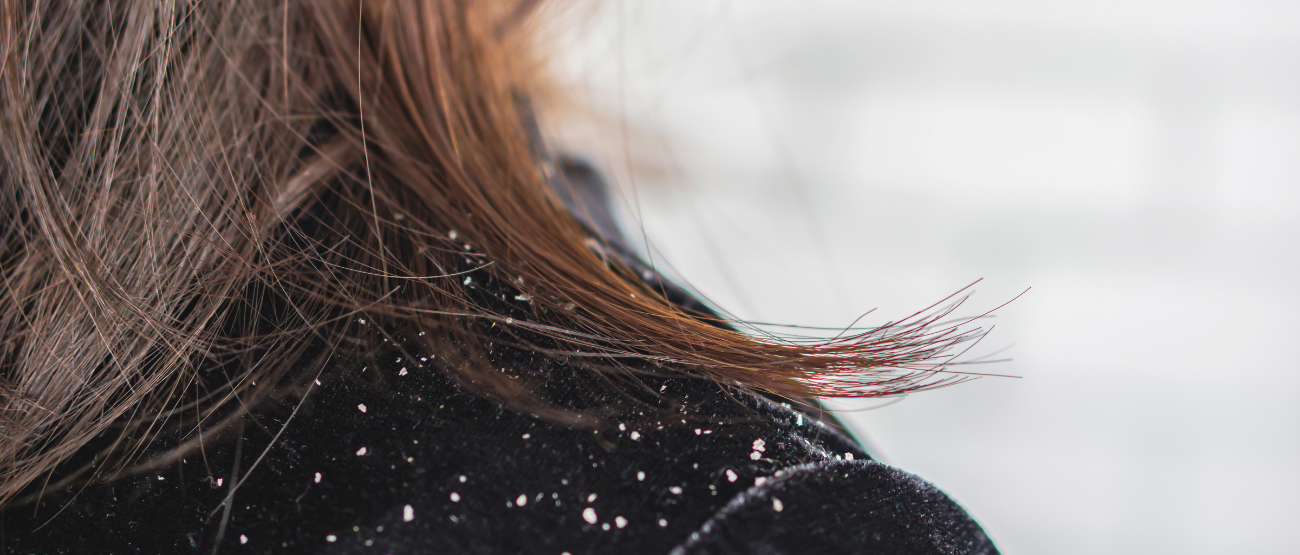
As winter settles in, you might notice tiny white flakes appearing on your shoulders or increased itchiness on your scalp. These aren’t just harmless flakes; they are a sign that your scalp may be struggling to stay balanced during the dry winter months. With colder temperatures, lower humidity, and indoor heating, winter dandruff care becomes an essential part of maintaining a healthy scalp and confident appearance.
At Purple Aesthetic Center, we understand how frustrating seasonal dandruff can be. That’s why we offer specialised dandruff treatment services designed to address the root causes of dandruff and help you enjoy a flake-free winter.
In this comprehensive guide, we’ll explain the causes of dandruff, how to recognise its symptoms, build an effective winter care routine, and explore both home care steps and professional solutions for dandruff that work.
What is Dandruff?
Dandruff is a common scalp condition characterised by flaking skin and itchiness. While most often harmless, it can be unsightly and uncomfortable. In winter, its symptoms frequently worsen due to environmental changes and scalp dryness.
Understanding the causes of dandruff is the first step in crafting a targeted winter dandruff care routine.
Why Dandruff Worsens in Winter
Most people find that their dandruff flares up as the weather grows colder. This isn’t a coincidence; there are several scientific explanations for this seasonal effect:
1. Dry Air & Low Humidity
Cold winter air holds less moisture, and indoor heating further strips moisture from both your skin and scalp. This dryness leads to flaking because the scalp’s protective barrier becomes compromised.
2. Disrupted Scalp Barrier
When the scalp’s natural oils are depleted, its outer layer can crack, allowing yeast like Malassezia, commonly involved in dandruff formation, to thrive. This disruption is one of the most common causes of dandruff in winter, as moisture loss and oil imbalance feed fungal overgrowth.
3. Hot Showers & Harsh Hair Routines
Though a hot shower feels comforting in winter, it strips natural scalp oils. Frequent or overly vigorous washing can worsen dryness and flakiness, a paradox that underscores why winter dandruff care must balance cleanliness with hydration.
4. Headgear & Sweat
Wearing woollen caps or beanies traps heat and sweat against the scalp, creating a humid environment under the gear. This encourages fungal activity and can trigger dandruff flare-ups.
5. Stress & Lifestyle Changes
Seasonal changes often bring stress from travel, holiday schedules, and altered routines. Stress is known to affect skin inflammation and immune response, indirectly contributing to scalp issues.
By recognising these factors, you’re already halfway toward mastering winter dandruff care.
Common Signs & Symptoms
People often mistake regular dry skin for dandruff, but the sets of symptoms are a bit different. Typical signs that you’re dealing with dandruff include:
- Noticeable white or yellowish flakes on the scalp, hair, or clothing
- Persistent itching or irritation
- Tightness or discomfort on the scalp
- Red, inflamed patches
- Increased flaking after styling or heat exposure
These symptoms can become more visible and uncomfortable in colder months when moisture is low, and scalp fatigue sets in.
Practical Winter Dandruff Care Routine (At Home)
While persistent dandruff may need professional intervention, many cases can be managed effectively with a thoughtful home regimen:
1. Choose the Right Shampoo
Use an anti-dandruff shampoo containing ingredients like zinc pyrithione, ketoconazole, or salicylic acid. These ingredients fight fungal growth, reduce inflammation, and help gently remove flaking skin.
Pro Tip: For best results, massage your shampoo into the scalp and leave it on for a few minutes before rinsing.
2. Limit Hair Washing Frequency
Washing too often can strip natural oils. Aim for 2–3 gentle washes per week unless otherwise advised. That strikes a healthy balance between cleanliness and oil preservation.
3. Use Lukewarm Water
Avoid hot showers when washing your hair. Lukewarm water helps retain natural scalp moisture and reduces irritation.
4. Hydrate & Condition
After shampooing, applying a conditioner only on mid-lengths and ends keeps your hair and scalp nourished without weighing them down.
5. Warm Oil Massage
Applying warm coconut or almond oil a few times a week can help improve circulation and scalp hydration. Massage gently, leave on for 30 minutes, then wash as usual.
6. Mind Your Diet
Hydration and nutrition support scalp health. Drink water throughout the day, and include omega-3 fatty acids and zinc-rich foods to help fortify your skin’s natural resilience.
Professional Solution for Dandruff at Purple Aesthetic Center
If home winter dandruff care and over-the-counter products fail to fully resolve your symptoms, expert help is the most effective solution for dandruff, especially in winter.
At Purple Aesthetic Center, we provide advanced dandruff treatment services designed to not just alleviate symptoms but also to address their root causes and restore overall scalp health.
A healthy scalp plays a crucial role in maintaining hair strength and density, which is why addressing dandruff early is often an important first step before considering options like hair regrowth treatment for ongoing hair thinning concerns.
What Our Dandruff Treatment Includes
Detailed Scalp Assessment: We begin with a professional evaluation to understand your scalp condition and factors contributing to dandruff.
Medicated Scalp Therapy: Custom-formulated treatments help reduce fungal overgrowth and inflammation while improving the scalp’s moisture balance.
Deep Hydration Techniques: Advanced treatments replenish moisture levels that simple shampoos can’t fully restore.
Follow-Up Care Plan: We guide you on daily winter dandruff care and product usage to keep dandruff under control throughout the winter.
Because each person’s scalp is unique, our solutions for dandruff are personalised, maximising effectiveness and preventing long-term recurrence.
Avoid These Common Mistakes
While building your winter dandruff care routine, keep in mind a few pitfalls that can worsen symptoms:
- Over-washing hair, which removes oils that protect your scalp.
- Using overly hot water during showers.
- Heavy styling products that create buildup on the scalp.
- Ignoring early symptoms, allowing dandruff to become chronic.
Avoiding these habits gives your scalp a better chance of staying healthy and balanced all winter.
When to Seek Professional Help
If dandruff becomes persistent despite diligent winter dandruff care, it’s time for an expert evaluation. Severe dandruff can sometimes indicate underlying scalp conditions such as seborrheic dermatitis. A professional treatment plan at Purple Aesthetic Center provides a targeted and medically supported solution for dandruff that simple home care cannot match.
Final Thoughts
Dandruff in winter is common, but it doesn’t have to be inevitable. With proper winter dandruff care, you can keep your scalp healthy, flake-free, and comfortable throughout the cold months. Simple home routines can make a big difference, but professional care from experts like Purple Aesthetic Center takes your results to the next level, addressing the causes of dandruff and providing lasting relief.
Ready to take control of your scalp health this winter? Book your dandruff treatment with Purple Aesthetic Center today and enjoy expert winter dandruff care tailored just for you.
Frequently Asked Questions?
Why does dandruff get worse in winter?
Fluctuations in humidity, dry air, and indoor heating strip moisture from the scalp, disrupting its protective barrier and making dandruff symptoms more noticeable.
What are the main causes of dandruff?
Key causes of dandruff include fungal imbalance, dry scalp, irritated skin barrier, and environmental factors that exacerbate flaking and itching.
Can dandruff lead to hair fall?
Severe itchiness and scratching can cause hair breakage, but dandruff itself does not directly cause permanent hair loss. Timely care reduces this risk.
How often should I wash my hair in winter?
Washing 2–3 times per week with the right shampoo is typically recommended to balance cleanliness and natural oil retention.
What is the best solution for dandruff that won’t go away?
A professional solution for dandruff, such as the specialised treatments offered at Purple Aesthetic Center, is the most effective option if dandruff persists despite home care.