Blogs
What Are The Best Treatments for Early Hair Loss
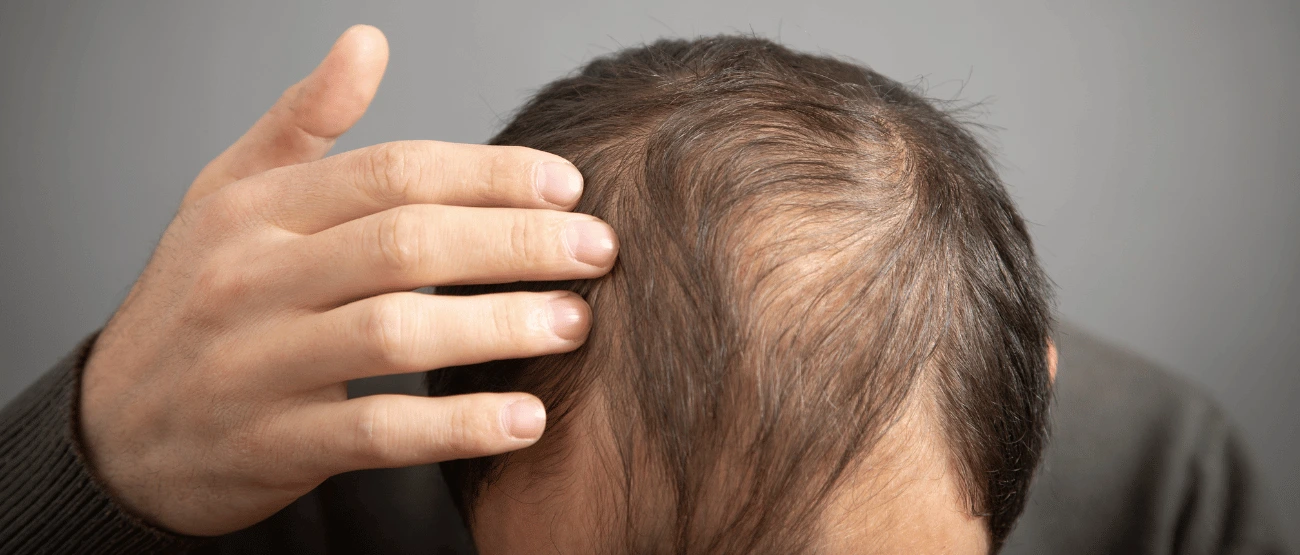
Noticing more hair on your pillow, comb, shower drain, or clothes can be worrying, especially when your hair looks thinner than before. The good news is that identifying the concern early allows you to understand its possible cause and explore suitable Treatments for Early Hair Loss. Hair loss can happen for many reasons, including genetics, stress, hormonal changes, nutritional deficiencies, scalp concerns, illness, and certain lifestyle habits. Since the cause can vary from person to person, choosing the right treatment starts with understanding why your hair is falling or becoming thinner.
At Purple Aesthetic Center, we focus on personalized hair and scalp care. Our approach is designed to understand your individual concerns and recommend suitable options based on your hair condition, scalp health, and treatment goals.
What Is Early Hair Loss?
Early hair loss refers to the initial changes in your normal hair growth or shedding pattern. It may not always appear as obvious bald patches. In many cases, the first signs are subtle and can easily be overlooked.
You may notice:
- More hair falling while washing or brushing
- A wider hair part
- Thinner-looking hair
- Reduced hair density
- A more visible scalp
- A receding hairline
- Thinning around the crown
- A smaller-looking ponytail
Some daily hair shedding is completely normal because hair naturally goes through different growth phases. However, a noticeable increase in shedding or gradual reduction in density may require attention. Understanding the cause early can help you explore appropriate treatments for early hair loss before the concern becomes more noticeable.
What Causes Early Hair Loss?
Hair loss can happen because of one or several factors. Identifying the possible cause is an important part of choosing the right treatment.
Genetics
Genetic factors are among the most common causes of gradual hair thinning. If hair loss runs in your family, you may notice similar changes over time. Genetic hair loss often develops gradually, which means early signs such as a widening part or reduced density may appear before more obvious thinning.
Stress
Significant emotional or physical stress can affect the normal hair growth cycle. Major life changes, prolonged stress, illness, lack of sleep, or rapid weight loss may sometimes lead to increased shedding. Hair shedding may become noticeable weeks or months after the stressful event.
Hormonal Changes
Hormones can influence the hair growth cycle. Changes related to thyroid conditions, pregnancy, postpartum periods, menopause, or other hormonal factors may contribute to increased shedding or thinning. If hair loss occurs alongside other unexplained symptoms, it is important to seek appropriate medical evaluation.
Nutritional Deficiencies
Hair growth requires adequate nutrition. Low levels of certain nutrients, such as iron, vitamin D, zinc, or vitamin B12, may be associated with hair problems in some individuals. However, taking supplements without confirming a deficiency is not always beneficial. Professional guidance can help determine whether nutritional testing is appropriate.
Scalp Problems
Dandruff, excessive oiliness, irritation, inflammation, and product buildup can affect scalp comfort and overall scalp health. Although scalp problems are not responsible for every type of hair loss, maintaining a healthy scalp is an important part of a comprehensive hair-care routine.
Best Treatments for Early Hair Loss
There is no single treatment that works for everyone. The right approach depends on the cause, pattern, severity, scalp condition, overall health, and individual goals.
Some professional options may include the following.
1. Professional Hair and Scalp Assessment
Before choosing a treatment, it is important to understand what type of hair loss you are experiencing.
A professional may ask about:
- When the hair loss started
- Whether shedding is sudden or gradual
- Family history
- Recent stress or illness
- Diet and weight changes
- Medications and supplements
- Hair-care habits
- Scalp symptoms
The pattern and history of your hair loss can provide useful information about possible causes. An assessment also helps avoid choosing a treatment simply because it worked for someone else.
2. Hair Fall Treatment
If excessive shedding is your primary concern, a personalized hair fall management approach may be considered after evaluating possible causes. The treatment plan may focus on improving scalp health and supporting the normal hair growth cycle. Lifestyle factors, nutritional concerns, stress, and scalp conditions may also need to be considered. The goal is to understand why the shedding is happening rather than simply treating the visible symptom.
3. Hair Regrowth Treatments
If you are noticing reduced hair density or early thinning, treatments designed to support hair growth may be considered. Depending on your individual condition, professional hair regrowth approaches may focus on improving the scalp environment and supporting healthier-looking hair. Results are gradual, and consistency is important. No treatment can guarantee the same result for every person, so realistic expectations are essential. For suitable individuals, supporting healthier hair growth may become part of a customized treatment plan.
4. GFC Hair Therapy
Growth Factor Concentrate, commonly known as GFC therapy, is a hair treatment that uses growth factors prepared from the individual’s own blood. The treatment is designed to support the scalp environment and may be considered for certain types of thinning and reduced hair density. Whether GFC is suitable depends on the individual’s hair condition, pattern of loss, medical history, and treatment goals. A professional consultation is important before starting the procedure.
5. Hair Mesotherapy
Hair mesotherapy involves delivering selected ingredients into the scalp through small injections. Depending on the treatment protocol, the ingredients may be selected to support scalp health and hair growth. Mesotherapy is not appropriate for everyone. The treatment ingredients and procedure should be determined by a qualified professional according to the individual’s needs.
6. Treating Scalp Concerns
If dandruff, excessive oiliness, irritation, or inflammation is contributing to scalp discomfort, addressing these concerns may be an important part of your hair-care plan. A healthy scalp provides a supportive environment for normal hair growth. However, persistent hair loss should not automatically be blamed on a scalp condition. If shedding continues despite improving scalp health, further evaluation may be necessary.
7. Medical Evaluation When Needed
Some forms of hair loss can be linked to medical or hormonal conditions and may require assessment by a dermatologist or other qualified healthcare professional. Depending on the underlying diagnosis, medical treatment may be recommended. It is important not to start prescription medication or high-dose supplements without appropriate professional guidance.
Which Treatments for Early Hair Loss Are Right for You?
The most suitable treatment depends on what is causing the hair loss.
For example:
Hair Concern | Possible Approach |
Excessive shedding | Hair fall assessment and targeted care |
Early thinning | Hair regrowth-focused treatment |
Reduced density | GFC or other suitable professional options |
Scalp concerns | Scalp-focused treatment |
Nutritional deficiency | Correction under professional guidance |
Hormonal or medical cause | Medical evaluation |
Genetic hair loss | Early professional assessment |
This is why choosing a treatment based only on online recommendations is not ideal. A treatment suitable for one person may not be appropriate for another.
Why Is Early Treatment Important?
Early hair loss can be difficult to notice because the changes may happen slowly. You might initially notice a little more hair on your brush or a slightly wider parting. Over time, continued thinning can become more visible. Seeking professional advice early can help you understand possible causes and explore suitable options while the concern is still in its earlier stages. Early treatment does not guarantee that hair loss will stop, but it can help you make informed decisions and avoid unnecessary treatments.
How Can You Support Healthy Hair Growth?
Professional treatment is only one part of maintaining healthy-looking hair. Your everyday habits can also influence your hair and scalp health.
Maintain a Balanced Diet
Include adequate protein, vegetables, fruits, whole grains, healthy fats, and other nutrient-rich foods.
Avoid Crash Diets
Highly restrictive diets and rapid weight loss may affect nutritional intake and can contribute to increased shedding in some people.
Handle Hair Gently
Limit excessive heat styling, aggressive brushing, and very tight hairstyles that may cause hair breakage or unnecessary stress on the hair shaft.
Maintain Scalp Hygiene
Keep your scalp clean according to your hair type and avoid excessive product buildup.
Manage Stress
Regular exercise, sufficient sleep, relaxation, and a healthy daily routine can help manage ongoing stress.
Avoid Unnecessary Supplements
Taking multiple supplements without knowing whether you have a deficiency may not improve hair loss and can sometimes cause unwanted effects. If you are noticing gradual thinning, professional hair thinning care can help you understand the concern and explore appropriate options.
When Should You Consult a Hair Specialist?
You should consider professional advice if you notice:
- Sudden or excessive shedding
- Rapid hair thinning
- A widening hair part
- Receding hairline
- Visible scalp
- Bald patches
- Persistent scalp irritation
- Hair loss continuing for several months
- Hair loss accompanied by other unexplained symptoms
Sudden or severe hair loss may sometimes indicate an underlying health concern, so appropriate medical evaluation should not be delayed.
Final Thoughts
Early hair loss can happen for many reasons, and the most suitable treatment depends on the underlying cause. Genetics, stress, hormonal changes, nutritional deficiencies, scalp problems, and lifestyle factors can all influence the hair growth cycle. Professional options such as hair fall care, hair regrowth treatments, GFC therapy, and hair mesotherapy may be considered for suitable individuals. However, a proper assessment should come before choosing a treatment. At Purple Aesthetic Center, we focus on understanding your individual hair and scalp concerns before creating a personalized approach. If you have noticed increased shedding, reduced density, or early thinning, addressing the concern early can help you make more informed decisions about your hair health.