Blogs
Microblading vs Microshading: What’s the Difference and Which Is Right for You?
Perfectly shaped, fuller-looking eyebrows can completely transform your face. In recent years, semi-permanent brow treatments have become one of the most popular aesthetic services worldwide. Two techniques dominate this space, microblading and microshading. If you’re confused about microblading vs microshading, you’re not alone. Many clients at Purple Aesthetic Center ask the same question: microblading or microshading which is better for me?
While both treatments enhance brows, the difference between microblading and microshading lies in technique, finish, suitability, and long-term results. Understanding these differences will help you make an informed choice and achieve brows that truly complement your features.
This guide breaks down microblading vs microshading and helps you decide which option suits your skin type, lifestyle, and beauty goals.
What is Microblading?
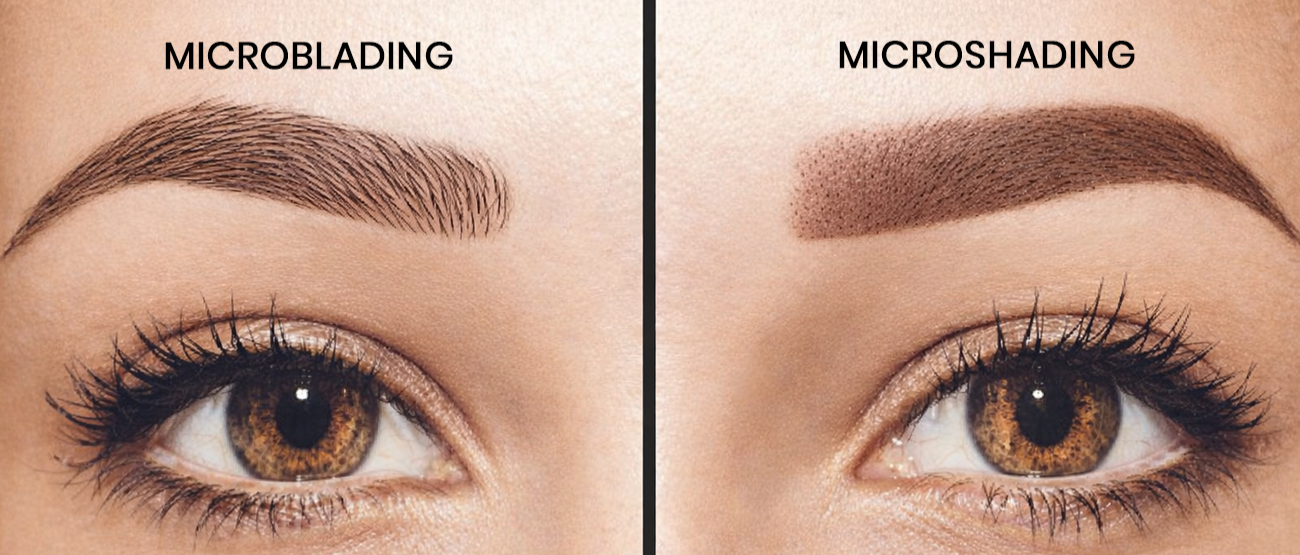
Microblading is a semi-permanent eyebrow enhancement technique that uses a handheld tool with ultra-fine needles to create hair-like strokes on the skin. Pigment is deposited into the upper layers of the skin to mimic the appearance of natural brow hairs.
In the debate of microblading or microshading, microblading is known for its realistic, crisp, and natural look. It works especially well for individuals who want to fill sparse areas or slightly reshape their brows without a heavy makeup effect.
Key Characteristics of Microblading
- Creates individual hair-like strokes
- Best for normal to dry skin types
- Results look natural and defined
- Typically lasts 12-18 months
When discussing the difference between microblading and microshading, microblading focuses on precision and realism rather than shading or softness.
What is Microshading?
Microshading, sometimes referred to as powder brows or ombré brows, uses a stippling or dotting technique to implant pigment into the skin. Instead of drawing hair strokes, microshading creates a soft, powdered effect, similar to brow makeup.
In the ongoing comparison of microblading vs microshading, microshading is often preferred by those who love a fuller, more polished brow look.
Key Characteristics of Microshading
- Creates a soft, shaded, makeup-like finish
- Suitable for all skin types, including oily and sensitive
- Ideal for clients with sparse, uneven, or over-plucked brows
- Lasts longer than microblading, usually 18-24 months
The difference between microblading and microshading becomes obvious in the final appearance; microshading looks more filled-in, while microblading mimics real hair.
Microblading vs Microshading: Technique Comparison
When comparing microblading vs microshading, the technique is one of the most important factors.
Microblading involves manual strokes that cut into the skin to deposit pigment. Microshading, on the other hand, uses a machine or manual tool to gently layer pigment in tiny dots.
This difference between microblading and microshading affects how the pigment heals, fades, and looks over time. Microshading generally heals more evenly, especially for oily skin, making many clients wonder microblading or microshading which is better for long-term results?
Microblading vs Microshading: Skin Type Matters
Skin type plays a crucial role in deciding microblading vs microshading.
Best Skin Types for Microblading
- Normal to dry skin
- Small pores
- Minimal oil production
Best Skin Types for Microshading
- Oily or combination skin
- Large pores
- Sensitive or acne-prone skin
This is a major difference between microblading and microshading. Oily skin tends to blur microbladed strokes over time, while microshading holds pigment better.
At Purple Aesthetic Center, specialists always evaluate skin type before recommending microblading or microshading which is better for each client.
Microblading vs Microshading: Pain and Healing
Another common concern in the microblading vs microshading conversation is discomfort and recovery time.
Microblading may feel slightly more uncomfortable because it involves small cuts in the skin. Microshading is generally gentler and causes less trauma.
Healing Comparison
- Microblading: 7-10 days of visible healing
- Microshading: 5-7 days of minimal scabbing
This difference between microblading and microshading often leads clients with sensitive skin to choose microshading.
Microblading vs Microshading: Longevity and Maintenance
Longevity is another deciding factor in microblading vs microshading.
Microblading fades faster because the strokes are finer and closer to the skin surface. Microshading, with its layered pigment, tends to last longer.
Average Longevity
- Microblading: 12-18 months
- Microshading: 18-24 months
If you’re asking microblading or microshading which is better for low maintenance, microshading often wins.
Microblading vs Microshading: Final Look and Style
The aesthetic outcome is one of the biggest differences between microblading and microshading.
Microblading gives a soft, feathered, natural brow, ideal for minimal makeup lovers. Microshading delivers a bold, defined look, perfect for those who prefer a polished appearance.
In the microblading vs microshading debate, your personal style matters just as much as your skin type.
Can You Combine Microblading and Microshading?
Yes. Many clients choose a combination technique, often called combo brows. This approach blends hair-like strokes with shading for depth and dimension.
This hybrid solution is frequently recommended at Purple Aesthetic Center for clients who can’t decide between microblading or microshading which is better for them.
Microblading vs Microshading: Which Is Right for You?
So, microblading vs microshading, which one should you choose?
Choose microblading if you want:
- Natural-looking brows
- Subtle enhancement
- Fine hair-stroke detail
Choose microshading if you want:
- Fuller, makeup-ready brows
- Longer-lasting results
- Better performance on oily skin
Understanding the difference between microblading and microshading ensures you invest in the treatment that suits your face, lifestyle, and expectations.
At Purple Aesthetic Center, certified professionals guide you through every step, from consultation to aftercare, ensuring safe, beautiful, and customised results.
Why Choose Purple Aesthetic Center for Brow Treatments?
When it comes to microblading vs microshading, expertise matters. Purple Aesthetic Center is known for advanced techniques, high-quality pigments, and personalised care.
Clients trust Purple Aesthetic Center for:
- Certified and experienced artists
- Strict hygiene standards
- Tailored brow mapping
- Natural, face-enhancing results
Whether you’re still debating microblading or microshading which is better, an expert consultation can make all the difference.
Not sure which brow treatment suits you best? Book a consultation at Purple Aesthetic Center and get expert guidance tailored to your skin and style.
Frequently Asked Questions?
What is the main difference between microblading and microshading?
The main difference between microblading and microshading is the technique and final look. Microblading creates hair-like strokes, while microshading produces a soft, shaded effect.
Microblading vs microshading: which lasts longer?
In microblading vs microshading, microshading typically lasts longer because pigment retention is better, especially for oily skin.
Microblading or microshading which is better for oily skin?
For oily skin, microshading is usually the better option. This is a key difference between microblading and microshading that professionals consider.
Is microblading vs microshading painful?
Both treatments involve mild discomfort, but microshading is generally less painful due to its gentler technique.
Can I switch from microblading to microshading later?
Yes. Many clients transition after learning the difference between microblading and microshading and discovering which suits their skin better.