
Blogs
Why Is My Hair Falling Out Even After Taking Vitamins?
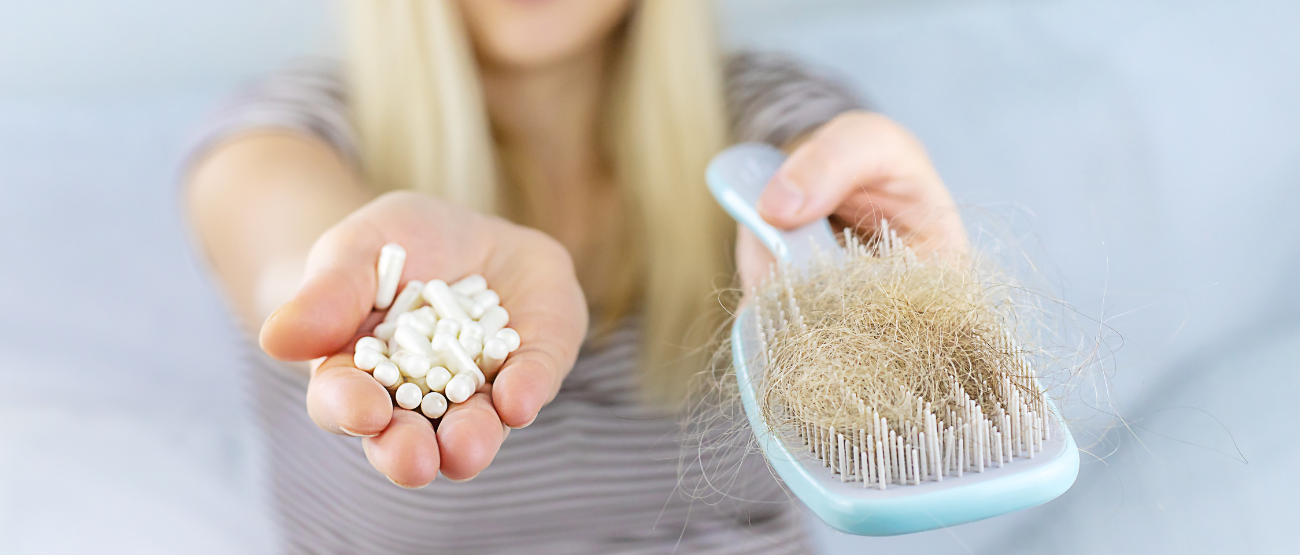
Noticing more hair on your pillow, comb, shower drain, or clothes can be worrying, especially when you are already taking vitamins to support healthy hair. Many people assume that hair fall happens because of a vitamin deficiency, so they expect supplements to solve the problem. But hair loss is often more complicated than that. If your hair is falling despite taking vitamins, the reason may be related to stress, hormonal changes, scalp problems, genetics, nutritional deficiencies, illness, or damage to the hair cycle. Taking supplements without identifying the actual cause may not provide the results you expect.
At Purple Aesthetic Center, we understand that every hair concern is different. A proper assessment helps identify the possible causes of excessive shedding and allows us to recommend the most suitable hair fall treatment for your needs, so you can better understand and address your hair fall concerns.
Why Is My Hair Falling Out Even After Taking Vitamins?
Vitamins can support normal hair growth when your body is deficient in certain nutrients. However, supplements cannot correct every type of hair loss. Hair growth depends on several factors, including genetics, hormones, scalp health, nutrition, stress levels, medications, and overall health. If your hair fall is caused by one of these factors, simply taking a multivitamin may not be enough.
It is also possible to take a supplement that contains nutrients you already have enough of while missing the nutrient or underlying issue that actually needs attention. This is why understanding the reason behind your hair fall is more important than simply adding more supplements to your routine.
Common Reasons for Hair Falling Despite Taking Vitamins
1. Your Hair Loss May Not Be Caused by a Vitamin Deficiency
One of the most common misconceptions is that all hair loss is caused by a lack of vitamins. Nutrients such as iron, vitamin D, zinc, vitamin B12, and other nutrients are involved in normal hair and body functions. However, if your levels are already adequate, taking additional supplements may not stop hair shedding. A healthcare professional can determine whether nutritional deficiencies are contributing to your concern and recommend appropriate testing when necessary.
2. Stress Can Affect the Hair Growth Cycle
Physical or emotional stress can sometimes disrupt the normal hair growth cycle. Major life changes, prolonged stress, lack of sleep, significant weight loss, illness, or other physical strain may trigger increased shedding. This type of shedding can become noticeable weeks or months after the triggering event. If your hair started falling more than usual after a stressful period, it is worth discussing the timing and pattern with a professional. Reducing stress, getting adequate sleep, eating a balanced diet, and maintaining a healthy routine can support overall hair health.
3. Hormonal Changes May Be Involved
Hormones play an important role in the hair growth cycle. Changes associated with conditions such as thyroid problems, pregnancy, postpartum changes, menopause, or certain hormonal imbalances may contribute to increased shedding or thinning. In these situations, vitamins alone may not address the underlying cause.
If you are experiencing persistent hair loss along with other hormonal symptoms, speaking with a qualified healthcare professional can help determine whether further evaluation is needed.
4. Genetics Can Influence Hair Loss
Genetic hair loss is another common reason for gradual thinning. Some people notice their hair becoming thinner around the crown, hairline, or parting area. Others may experience a gradual reduction in overall density. Because genetic hair loss is influenced by inherited factors, taking general vitamins may not significantly change the progression. Early professional evaluation can be helpful because addressing ongoing hair thinning early may provide more options for managing the concern.
Can Poor Scalp Health Cause Hair Falling?
Your scalp provides the environment where your hair grows, so paying attention to scalp health and hair concerns is an important part of maintaining healthy-looking hair. Problems such as dandruff, excessive oiliness, inflammation, irritation, or buildup can make the scalp uncomfortable and may contribute to scratching or breakage. For example, persistent dandruff can cause itching and irritation. If you are dealing with significant scalp flaking or discomfort, addressing the scalp problem may be an important part of your overall hair-care plan. However, scalp problems are not the only possible reason for hair loss. Persistent or severe shedding should be assessed rather than assumed to be caused by dandruff alone.
Are You Taking the Right Vitamins?
Another possibility is that your supplement routine may not match your actual nutritional needs. Hair supplements commonly contain combinations of biotin, zinc, iron, vitamin D, B vitamins, and other nutrients. But taking more is not always better. Certain nutrients can be harmful when taken in excessive amounts, and some supplements may interact with medications or medical conditions. Instead of randomly adding multiple supplements, it is better to discuss your diet, symptoms, medications, and health history with a qualified healthcare professional. A balanced diet containing adequate protein, vegetables, fruits, whole grains, healthy fats, and other nutrient-rich foods is generally an important foundation for overall health.
Hair Breakage vs Hair Loss: What Is the Difference?
Not every strand you notice is necessarily falling from the root. Hair breakage occurs when the hair shaft becomes weak and breaks somewhere along its length. This can happen because of:
- Frequent heat styling
- Chemical treatments
- Tight hairstyles
- Excessive brushing
- Bleaching or colouring
- Dry or damaged hair
- Rough handling
Hair loss, on the other hand, generally involves shedding from the follicle or a reduction in the number of actively growing hairs. Understanding whether you are experiencing breakage, shedding, or gradual thinning can help determine the right approach.
When Should You See a Hair Specialist?
Occasional shedding is normal because hair naturally moves through different growth phases. However, persistent or noticeably increased shedding deserves attention.
Consider seeking professional advice if you notice:
- Sudden increase in hair shedding
- Visible thinning
- Widening of your hair part
- Receding hairline
- Bald patches
- Persistent scalp itching or inflammation
- Hair loss continuing for several months
- Hair loss accompanied by other unexplained symptoms
A professional assessment can help identify whether your concern may be related to nutrition, scalp health, genetics, hormonal factors, lifestyle, or another cause.
How Is Hair Loss Evaluated?
A proper evaluation generally starts with a detailed discussion about your hair history and overall health.
A professional may ask about:
- When the hair fall started
- Whether it happened suddenly or gradually
- Recent illness or stress
- Diet and weight changes
- Family history of hair loss
- Hair-care habits
- Medications and supplements
- Scalp symptoms
Depending on the situation, further examination or laboratory testing may be recommended to investigate possible nutritional or medical factors. The goal is not simply to reduce visible shedding but to understand why it is happening.
Treatment Options for Persistent Hair Loss
Treatment depends entirely on the underlying cause. If nutritional deficiency is confirmed, correcting that deficiency may be helpful. If a scalp condition is contributing to the problem, treating the scalp may be important. Genetic or hormonal hair loss may require a different treatment strategy.
At Purple Aesthetic Center, personalized hair-care plans can be discussed based on your individual concerns and professional assessment. Depending on your needs, treatments focused on supporting hair growth and density may also be discussed as part of a customized plan. For people experiencing ongoing shedding, a professional Hair Fall Treatment may be considered after evaluating the likely cause rather than relying only on supplements. In some cases, treatments designed to support hair growth and density may also be discussed as part of a customized plan.
Can You Prevent Hair Falling?
Not every type of hair loss can be prevented, particularly when genetics or certain medical conditions are involved. However, healthy daily habits can support your overall hair and scalp health.
Try to:
- Eat a balanced, protein-rich diet
- Avoid unnecessary restrictive diets
- Handle wet hair gently
- Reduce excessive heat styling
- Avoid very tight hairstyles
- Use hair products appropriate for your scalp
- Keep your scalp clean
- Manage ongoing stress
- Get adequate sleep
- Avoid taking high-dose supplements without professional advice
Small changes in your daily routine can help reduce preventable hair damage and support healthier-looking hair.
Why Choose Purple Aesthetic Center?
At Purple Aesthetic Center, we understand that hair concerns can affect both appearance and confidence. Instead of treating every client with the same approach, we focus on understanding individual concerns before recommending suitable options.
Our approach includes:
- Personalized consultation
- Assessment of hair and scalp concerns
- Experienced aesthetic professionals
- Customized treatment planning
- Focus on scalp and hair health
- Comfortable and hygienic environment
- Clear guidance about treatment expectations
Our goal is to provide practical, personalized care rather than promising instant results.
Final Thoughts
If your hair is falling even after taking vitamins, it does not necessarily mean that you need more supplements. Hair loss can have many different causes, including stress, genetics, hormonal changes, nutritional deficiencies, scalp conditions, illness, and hair damage. The most important step is to understand what may be contributing to your hair fall. Once the underlying cause is identified, a more targeted approach can be considered. If you have noticed persistent shedding, thinning, or changes in your hair density, consider speaking with a qualified professional rather than relying only on supplements. At Purple Aesthetic Center, personalized guidance can help you understand your hair concerns and explore suitable treatment options.