Blogs
Acne Scars: Which Treatments Can Actually Improve Pitted and Depressed Scars?
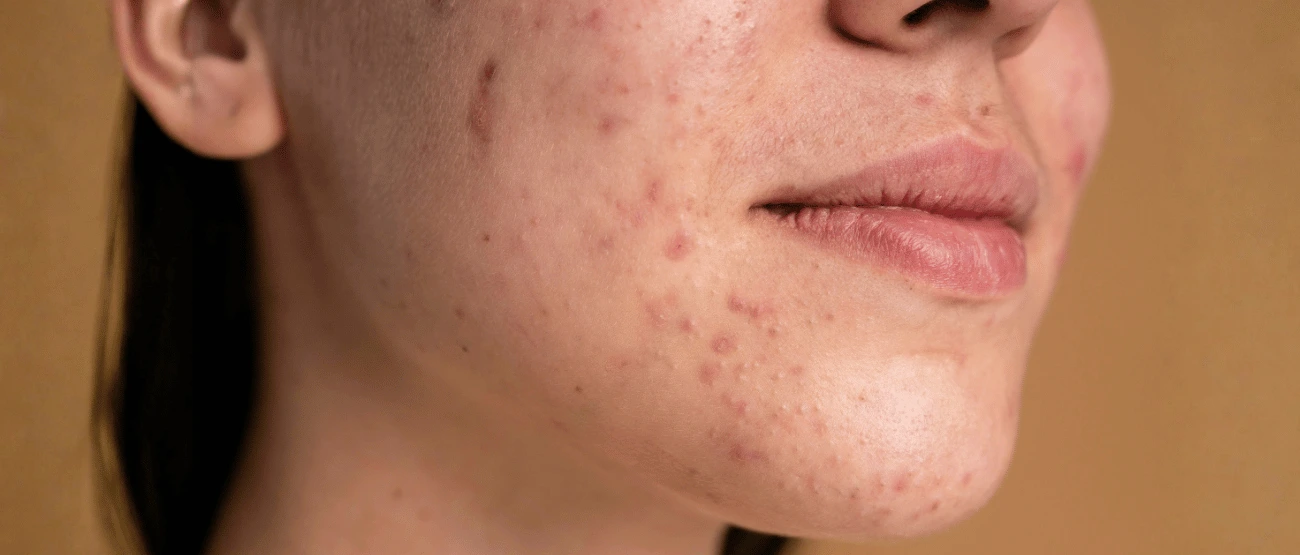
Acne may eventually clear, but the marks it leaves behind can sometimes remain for months or even years. Acne Scars are especially noticeable when they create uneven texture, depressions, or small pits across the cheeks, forehead, temples, or other areas affected by previous breakouts. While skincare products can support overall skin health, deeper scars often require professional treatment approaches designed to improve skin texture and stimulate the skin’s natural repair process. The right treatment depends on the type, depth, and severity of the scar, as well as your skin type and history of acne. Professional assessment can help determine whether options such as microneedling, chemical peels, laser-based procedures, or other customized treatments are appropriate.
What Causes Acne Scars?
Acne can cause inflammation deep within the skin. When a breakout damages the skin’s underlying structure, the body begins a healing process that involves collagen production and tissue repair. If the skin produces too little collagen during healing, a depression may remain. If too much collagen is produced, a raised scar can develop. This is why Acne Scars can look very different from one person to another. Some people develop shallow depressions, while others may have deeper and more defined scars.
Other factors that can influence scar formation include:
- Picking or squeezing active acne
- Severe or long-lasting inflammatory acne
- Delayed acne treatment
- Repeated inflammation in the same area
- Individual healing response
- Loss or uneven distribution of collagen
If active breakouts are still occurring, controlling acne should generally be part of the overall treatment plan. Understanding the causes of persistent acne can also help prevent new breakouts and future scarring.
Types of Acne Scars
Not all Acne Scars are the same. Identifying the scar type is important because different textures may respond differently to professional treatments.
Ice Pick Scars
Ice pick scars are narrow, deep depressions that extend into the skin. Because they are relatively deep, they may require more targeted treatment than superficial textural changes.
Boxcar Scars
Boxcar scars are broader depressions with more clearly defined edges. They can range from shallow to deeper and are commonly seen on the cheeks and temples.
Rolling Scars
Rolling scars create a wavy or uneven appearance across the skin. They are often associated with changes in the deeper skin structure and may become more noticeable under certain lighting.
Atrophic Acne Scars
Atrophic scars develop when there is a loss of tissue during the healing process. Ice pick, boxcar, and rolling scars can all fall under this broader category. Because these scar types have different structures, a professional should assess the skin before recommending a treatment.
Can Acne Scars Actually Be Improved?
Yes, the appearance of many Acne Scars can be improved, although complete removal is not always realistic. Treatment usually focuses on making the skin texture look smoother, reducing the visibility of depressions, and encouraging healthier-looking skin. Results depend on factors such as scar depth, treatment choice, skin condition, and how consistently aftercare is followed. Deep scars may require multiple sessions or a combination of treatments rather than a single procedure.
1. Microneedling for Acne Scars
Microneedling is one professional approach commonly considered for uneven skin texture and depressed scars. It uses controlled micro-injuries to trigger the skin’s natural repair response. As the skin repairs itself, collagen and elastin production may increase, which can gradually improve the appearance of uneven texture. For people exploring collagen-stimulating skin care, microneedling can be considered as part of a customized acne-scar treatment plan. Results usually develop gradually because collagen remodeling takes time. The number of sessions required depends on the severity and type of scarring.
2. Laser Skin Resurfacing
Laser-based procedures may be considered when the primary concern is uneven skin texture caused by Acne Scars. Laser treatments work by delivering controlled energy to targeted areas of the skin. Depending on the technology and treatment settings, this can support skin renewal and improve the appearance of texture and pigmentation. For suitable candidates, skin resurfacing treatments may form part of a customized plan for improving the overall appearance of acne-scarred skin. The appropriate laser approach depends on factors such as skin type, scar characteristics, pigmentation concerns, and treatment goals. A professional consultation is important before selecting a laser procedure.
3. Chemical Peels
Chemical peels use carefully selected exfoliating ingredients to remove damaged outer layers of skin and encourage skin renewal. They may be more suitable for certain superficial textural concerns and post-acne marks than for very deep depressed scars. The type and strength of peel should be selected according to the individual’s skin condition. Chemical peels may also be combined with other professional procedures when a broader skin-rejuvenation approach is appropriate.
4. Customized Acne Scar Treatment
There is no single treatment that works identically for every person. Someone with rolling scars may require a different approach from someone with deep ice pick scars.
A customized plan may consider:
- Type of scar
- Depth of the depression
- Skin type
- Existing pigmentation
- Current acne activity
- Previous treatments
- Skin sensitivity
- Desired improvement
This is why an assessment by a qualified skin professional can be more useful than choosing a treatment based only on online images or general recommendations.
When Should You Start Treating Acne Scars?
It is generally better to address active acne before focusing entirely on permanent textural scarring. If new inflammatory breakouts continue to appear, they may create additional marks or scars. If your acne is persistent, professional acne care options can help address the underlying breakout concerns while a longer-term scar-improvement plan is considered. Once active acne is reasonably controlled, your skin professional can evaluate existing scars and determine which procedures may be appropriate.
How Long Does It Take to See Results?
Improving Acne Scars is usually a gradual process. Treatments that stimulate collagen remodeling do not instantly change the deeper structure of the skin. Some people may notice improvements in texture after a few sessions, while deeper scars can require a longer treatment plan.
Factors that influence results include:
- Scar depth and type
- Number of sessions
- Skin healing response
- Treatment combination
- Sun protection
- Post-treatment skincare
- Control of active acne
It is important to have realistic expectations and understand that professional treatments generally aim to improve the appearance of scars rather than guarantee complete removal.
Are Acne Scar Treatments Safe?
The safety of a procedure depends on choosing an appropriate treatment for your skin and having it performed by a qualified professional. A consultation should consider your skin type, pigmentation tendency, current acne, medications, previous procedures, and any history of unusual skin reactions. After treatment, following professional aftercare instructions is equally important. This may include protecting the skin from excessive sun exposure, avoiding unnecessary irritation, and using recommended skincare products.
Why Professional Treatment Matters
At-home skincare can be helpful for maintaining healthy skin, controlling oiliness, supporting hydration, and managing mild post-acne concerns. However, deeper Acne Scars involve changes in the skin’s structure and may need professional procedures. Treatments such as microneedling, laser procedures, and chemical peels should be selected based on the individual’s skin rather than following a one-size-fits-all approach. At Purple Aesthetic Center, the focus should be on understanding your specific concern first and then selecting an appropriate treatment strategy based on your skin and goals.
Choosing the Right Aesthetic Center
When considering treatment for Acne Scars, look beyond the name of a procedure. A proper consultation, suitable treatment selection, realistic expectations, hygiene, and appropriate aftercare are all important parts of the process. A good treatment plan should explain what type of scars you have, what improvement may realistically be expected, how many sessions may be required, and what aftercare will be necessary. Purple Aesthetic Center provides professional aesthetic and skin-care services with treatment plans tailored to individual skin concerns.
Can Skincare Products Remove Acne Scars?
Skincare can play an important supporting role, particularly for maintaining the skin barrier, managing breakouts, protecting against sun exposure, and improving overall skin appearance. However, deeper Acne Scars are structural changes and may not respond significantly to topical skincare alone. This does not mean skincare should be ignored. Instead, professional treatment and a suitable home-care routine can work together as part of a broader skin-management plan.
Conclusion: Take the Right Approach to Acne Scars
Acne Scars can affect both skin texture and confidence, but their appearance can often be improved with the right professional approach. Microneedling, laser-based procedures, chemical peels, and customized treatment plans may all have a role depending on the type and depth of scarring. The key is not to choose a treatment simply because it worked for someone else. A personalized assessment can help identify the type of scar you have and determine which approach may be appropriate for your skin.
If you are concerned about pitted, depressed, or uneven acne scars, consult the skin professionals at Purple Aesthetic Center to discuss your concerns and explore a treatment plan suited to your skin.